What is Creator Studio
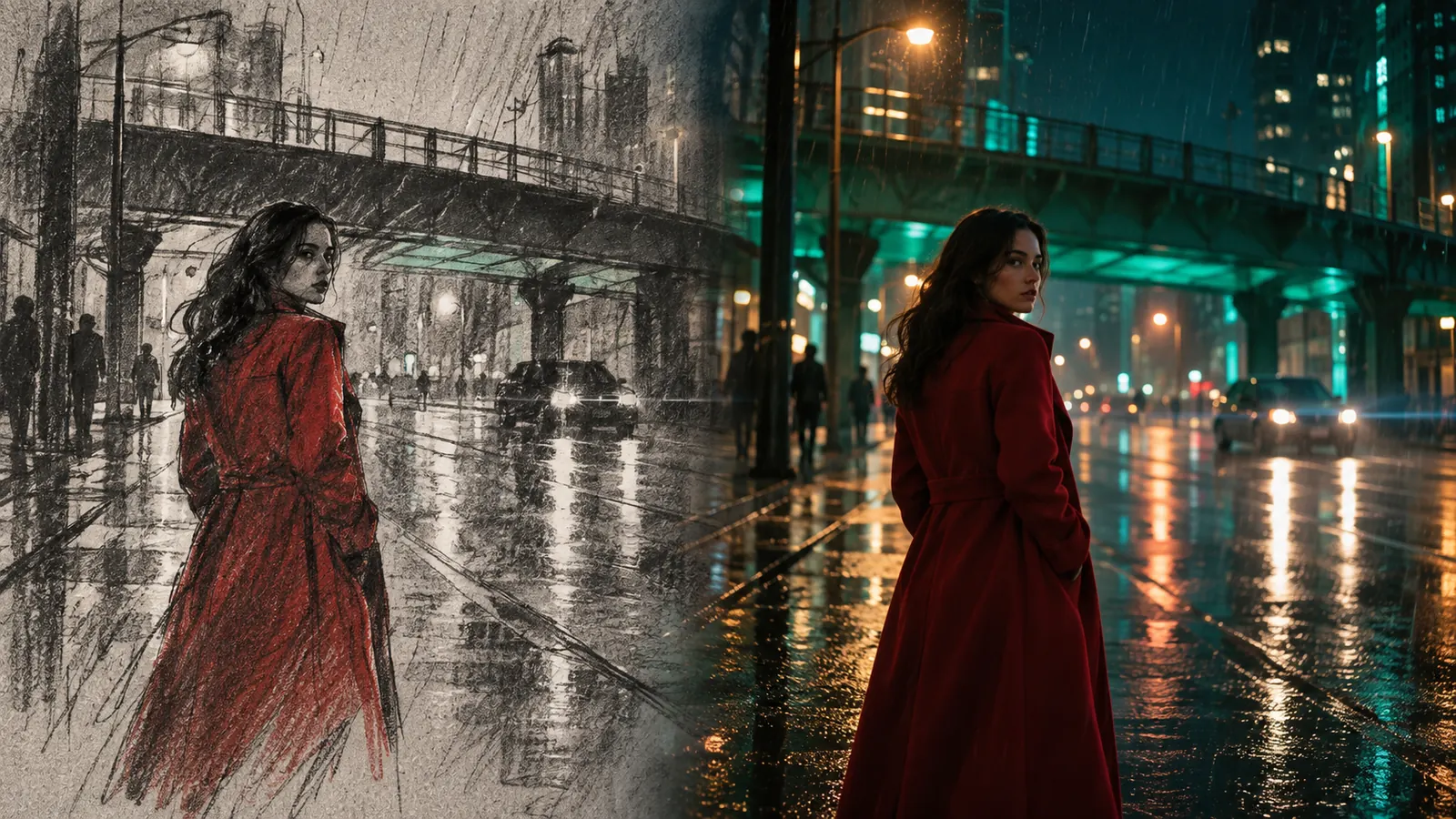
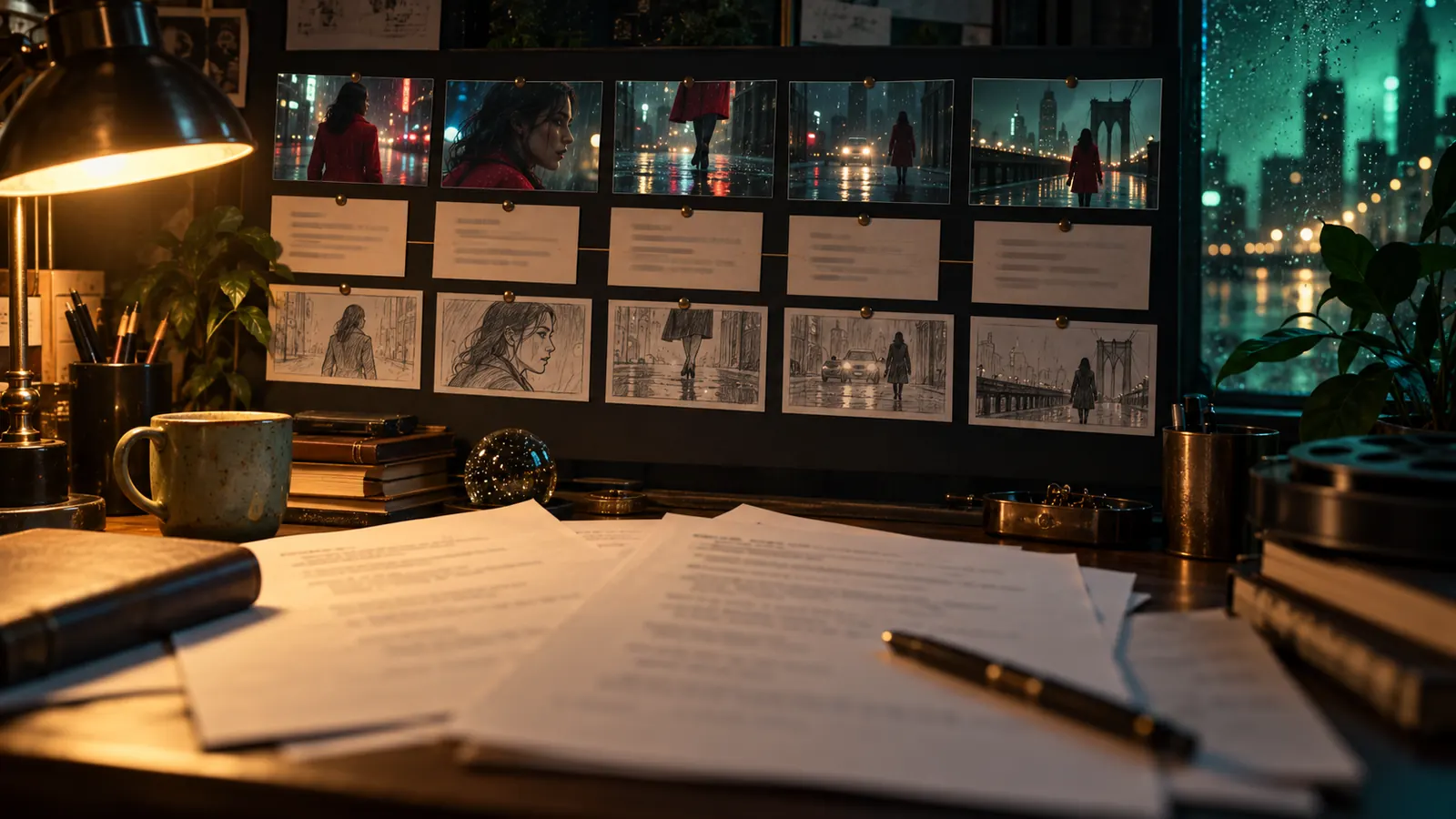
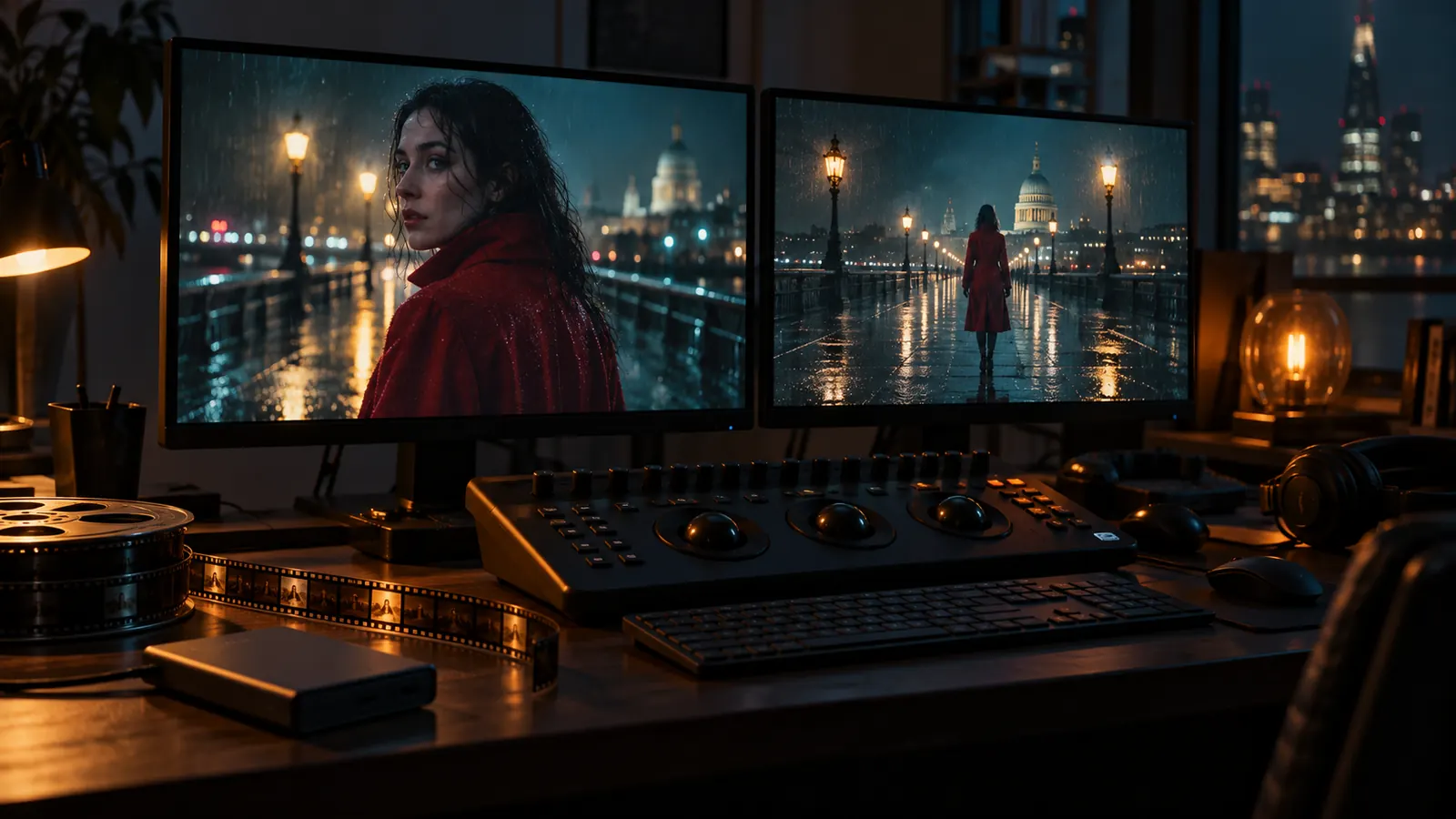
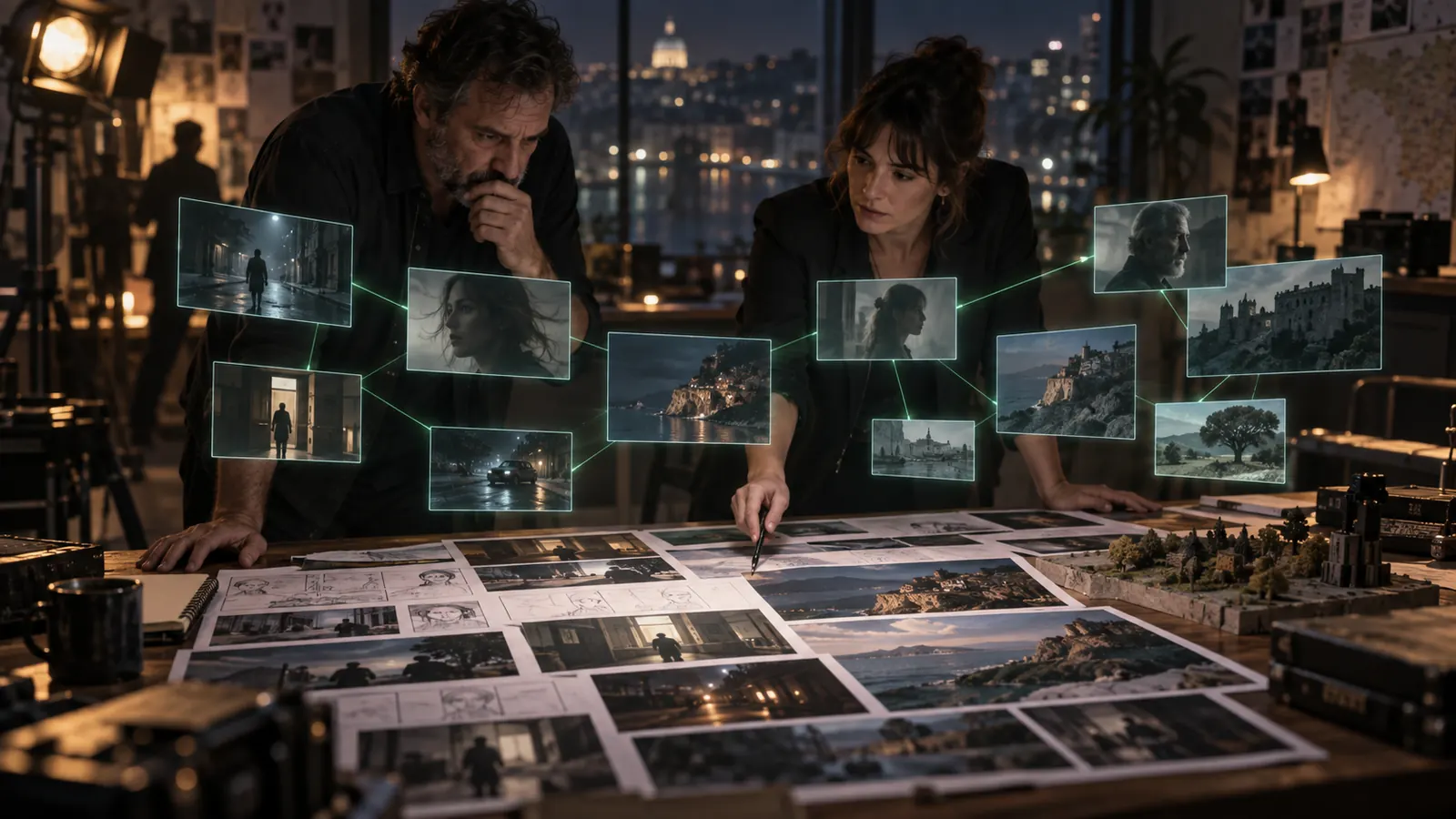
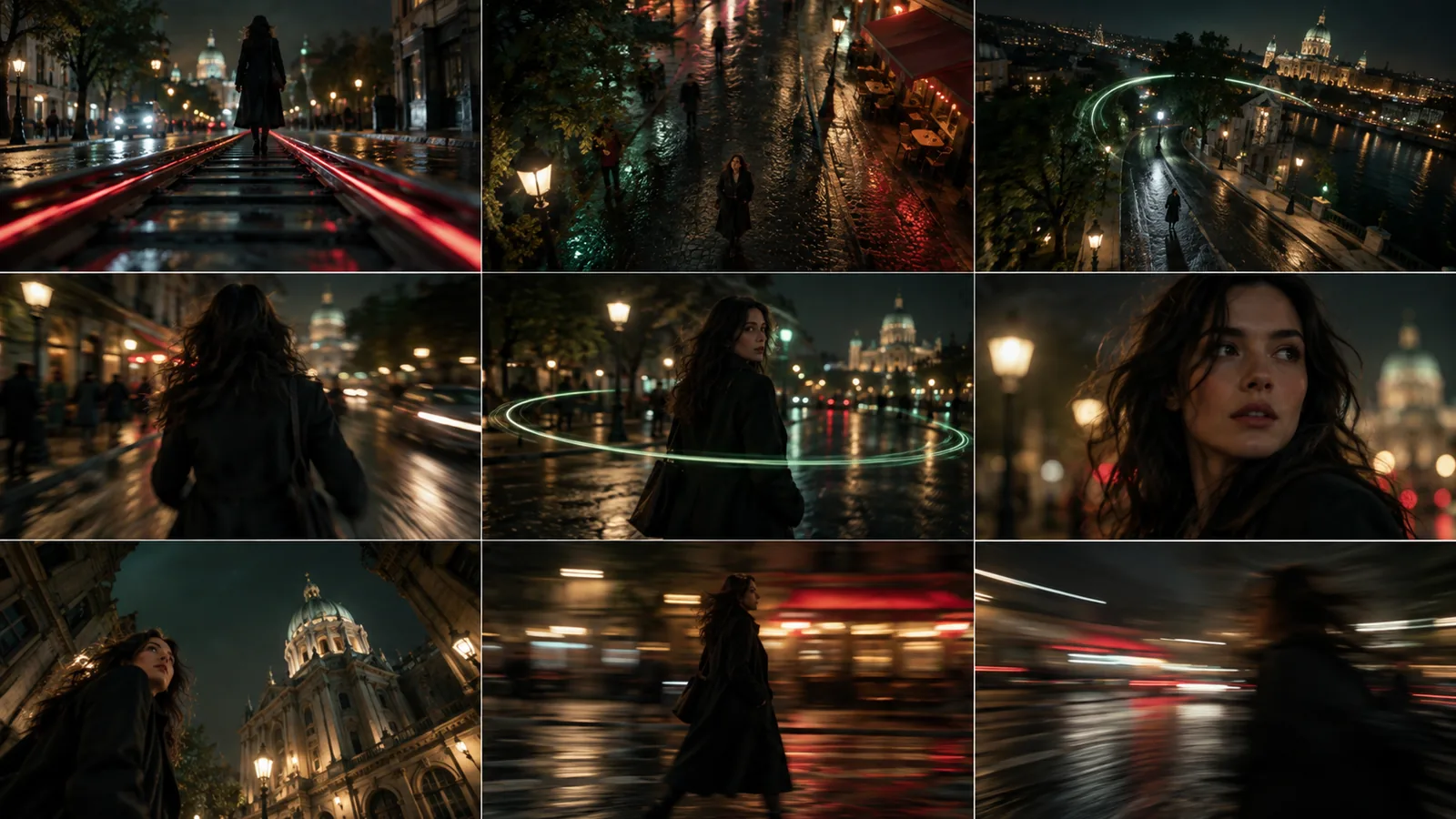
Creator Studio is a centralized production command center that supports media projects across five lifecycle stages: Development, Pre-production, Production, Post-production, and Completed. It brings every step of film and media production into a single workspace, allowing you to draft screenplays, design character and location reference sheets, direct virtual camera angles, render fast draft or high-resolution AI video clips, layout multi-track audio, manage budgets and call sheets, and export final cuts.
Projects in Creator Studio can be created as standalone productions or organized into parent projects with nested subprojects and episodes. Subprojects inherit parent brand guidelines and asset libraries while maintaining their own scene lists, timelines, and visual styles.
Getting started
- Open the App: Select Creator Studio from your platform dashboard.
- Create or Open a Project: Click the project creation button and enter core details, including the project title, synopsis, production format, target aspect ratio, total budget, and poster artwork. You can also re-open existing projects at any time from your projects dashboard.
- Run AI Project Setup: When starting a new production, fill out the guided AI Project Brief covering story, characters, brand, look, and sound. Run AI Project Setup to analyze your story brief; the system recommends workflows, team structures, roles, and initial task boards, which you can apply with a single click.
- Set Up Series or Subprojects: For episodic shows or commercial campaigns, create subprojects or episodes under a parent project. Episodes and subprojects inherit global brand guidelines while retaining local timelines, scene lists, and film-stock styles.
- Configure Project Settings: Open Project Settings to establish default aspect ratios, visual branding parameters, third-party integrations, and default production settings.
- Understand Credits & Previews: AI image and video generations consume project credits based on your chosen model, clip duration, and target resolution:
- Upfront Credit Cost Quotes: The Shot Editor calculates and displays the exact credit cost before you click Generate.
- Dry-Run Preview: Use the Dry-Run Preview tool to calculate cumulative credit usage across multi-shot sequences before rendering.
Key capabilities
Video Generation, Virtual Camera Directing & Frame Manipulation
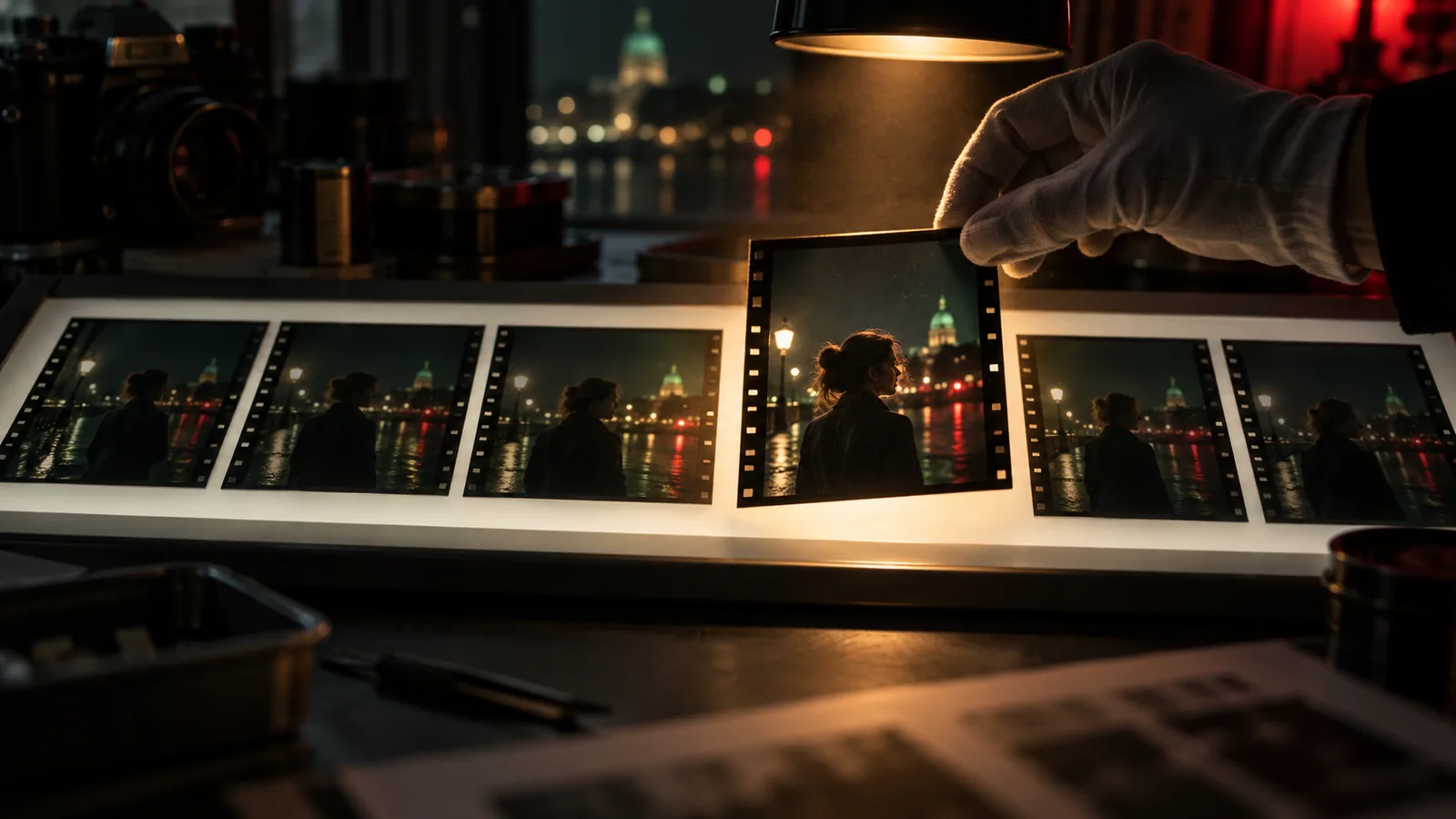
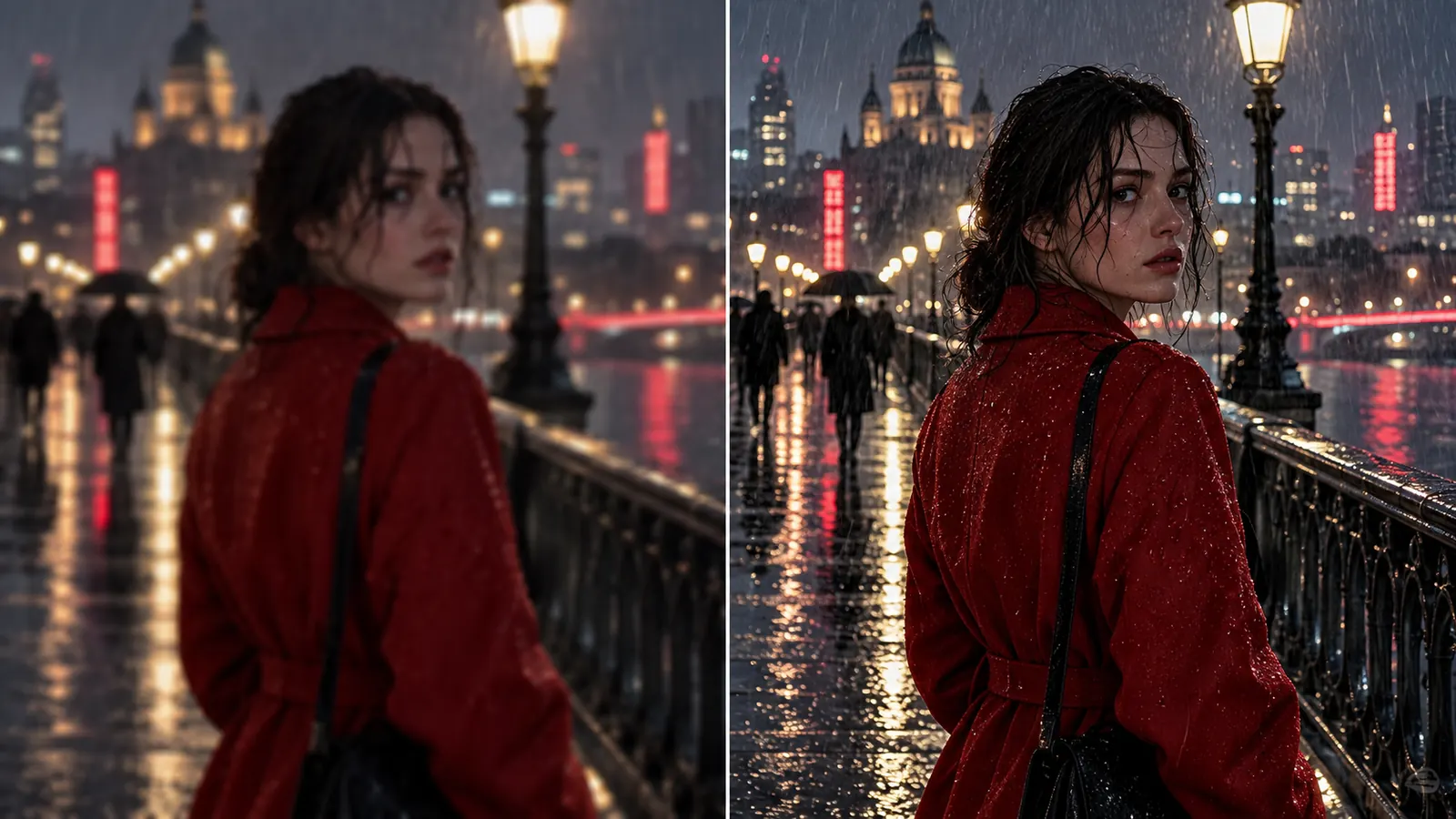
- Dual-Tier Video Rendering (480p Draft to 1080p & 4K Final): Render fast 480p draft clips using Seedance 2.5 to evaluate motion and pacing, then turn approved takes into 1080p or 4K final renders without re-prompting or generating a new take.
- Reference-Driven Rendering: Render video shots that automatically pull in approved reference images for your characters, locations, wardrobe, and props to maintain visual consistency across clips.
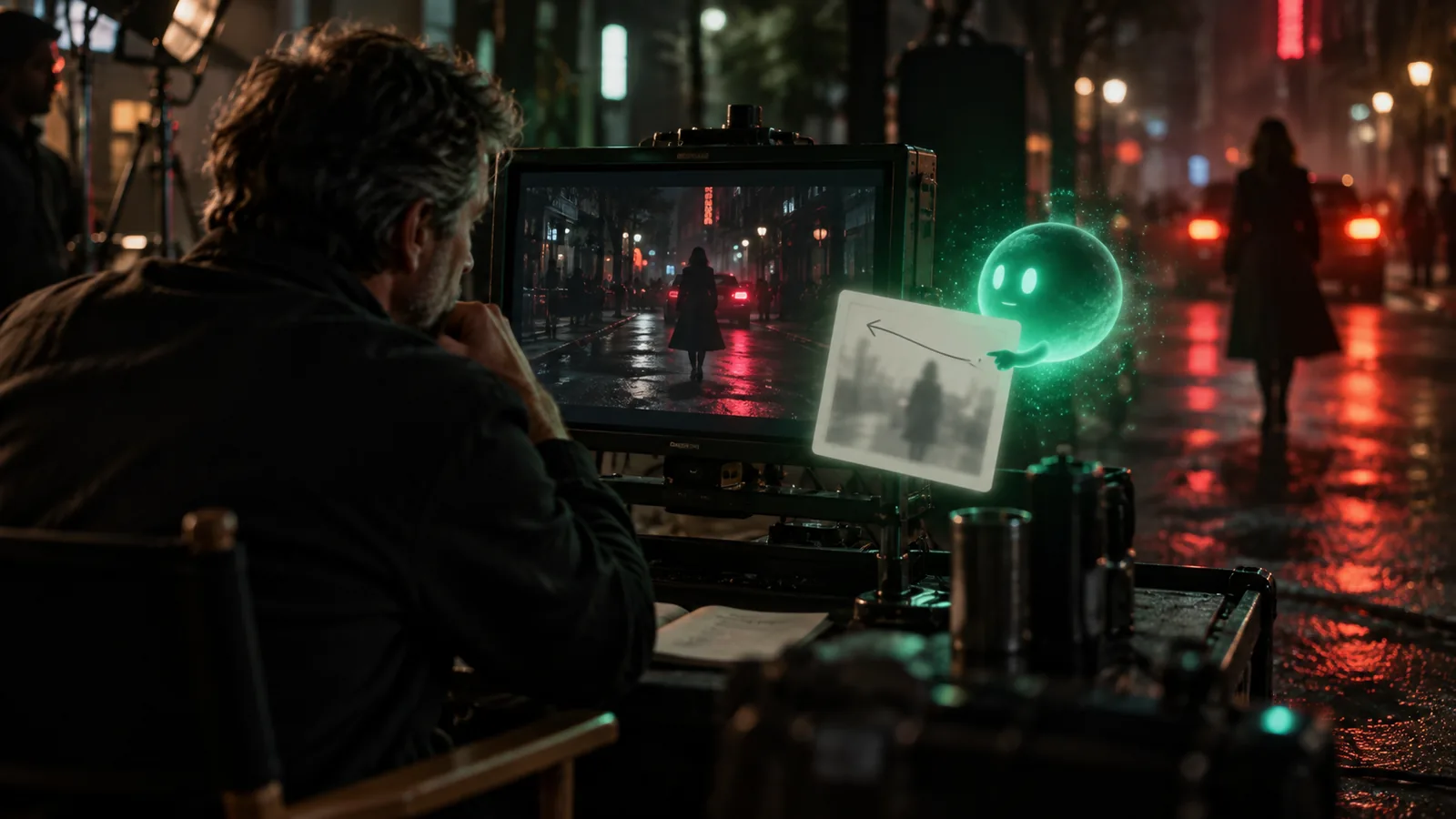
- Shot Editor & Virtual Camera Directing: Select from 80 camera bodies, 74 lenses, film stock settings, and 49 preset camera moves (such as dolly, orbit, drone, FPV, and speed ramps) complete with visual preview clips. Tag cast members directly into prompts using
@ handles to write shot prompts automatically.
- Upfront Credit Quoting: View the exact credit cost based on model, duration, and target resolution inside the Shot Editor before starting a render.
- Clip Manipulations (Edit, Extend, Upscale): Modify existing video clips using video-to-video prompts, extend clip duration with seamlessly connected extra seconds, or upscale clip resolution directly.
- Masked Edits & Inpainting: Brush over a specific region of a frame and describe the change; GPT Image 2.5 edits only that brushed region while keeping the rest of the frame intact.
- External Footage Import: Import external video clips into a shot and select exact frame ranges on an interactive filmstrip control to use as source material for edits or extensions.
- Multi-Shot Composition Grids: Generate 2x2, 3x3, or 4x4 camera angle grids in a single pass to explore camera coverage, then select and upscale your preferred angle.
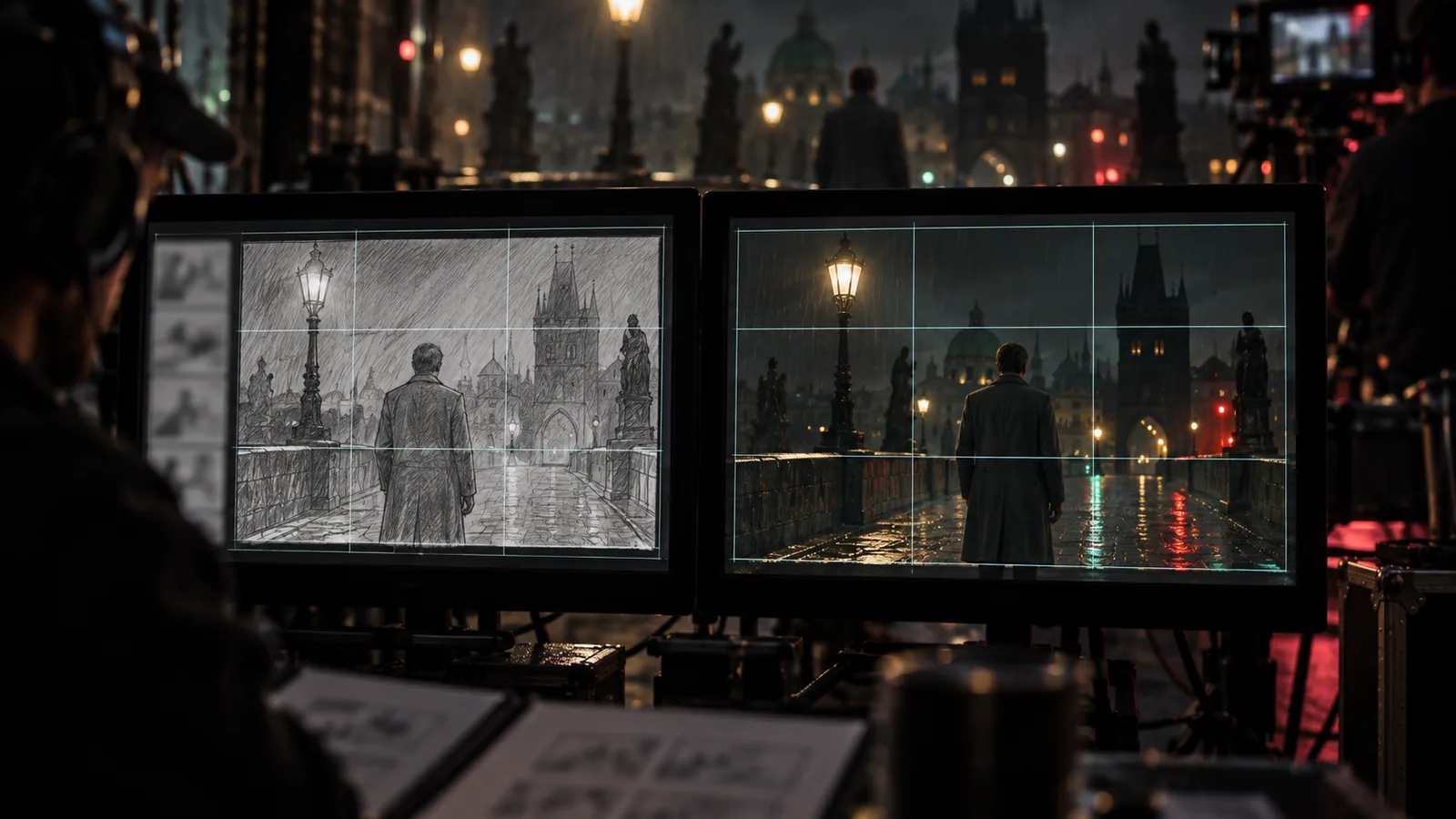
- Composition Pinning (REF SHOT & +STORYBOARD): Lock a storyboard frame as a fixed template using REF SHOT so generated video clips keep exact camera angles and layouts while actors perform. Use +STORYBOARD to enforce layout rules across an entire storyboard sheet.
- AI Image Generation & AI Fill: Generate storyboard frames using your choice of image model guided by project style rules. Use AI Fill to automatically generate shot prompts, breakdowns, and context from your script in your language.
- Relighting, Re-Angling & Layer Splitting: Relight finished frames, alter camera angles, or split frames into separate foreground and background layers without regenerating shots from scratch.
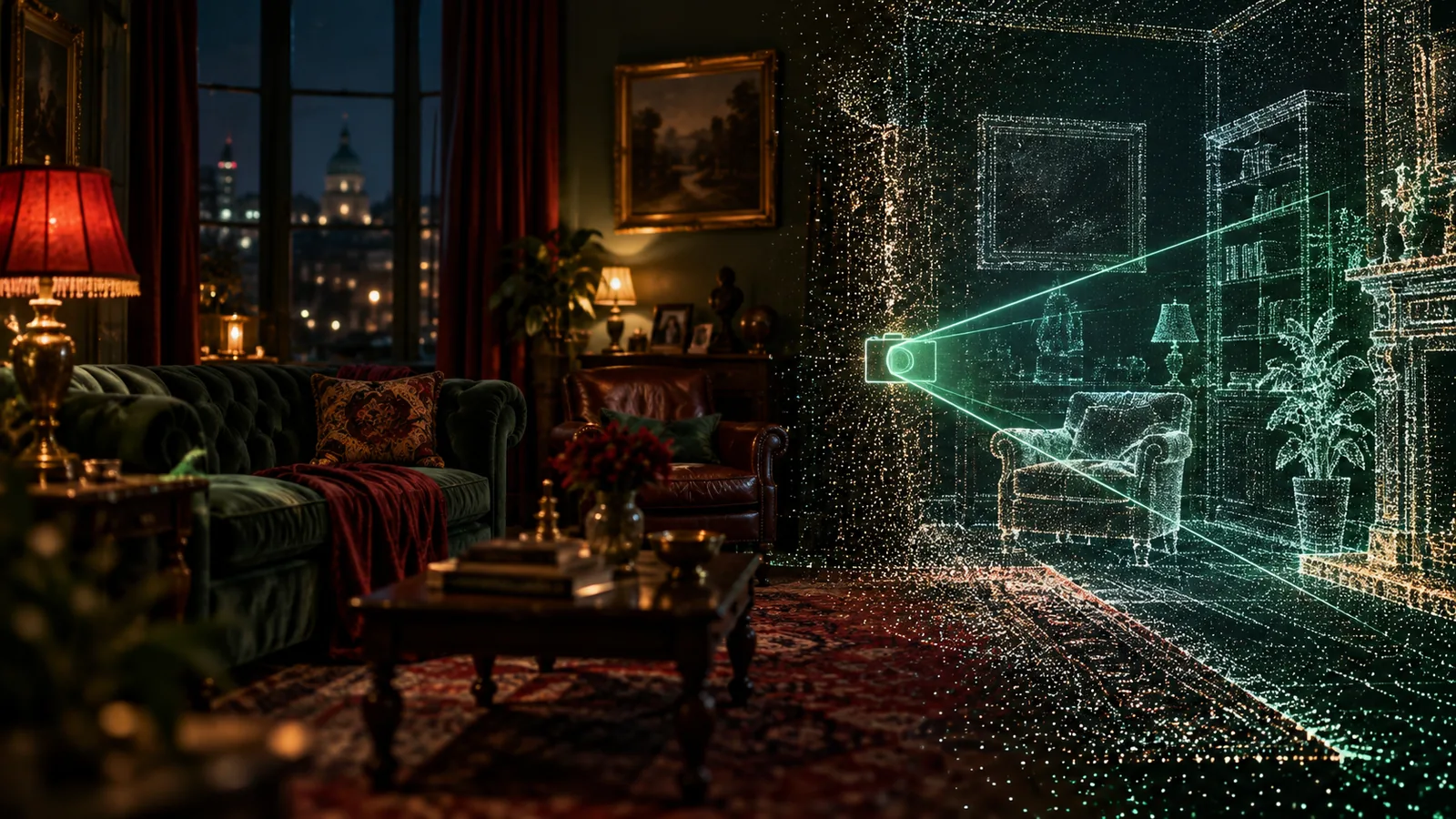
- 3D World Generation: Synthesize an explorable 3D environment from a single frame image (requires a 3D world key) to scout new camera angles within the same space.
- In-Shot AI Assistant: Consult an embedded AI assistant inside the Shot Editor that reads shot, scene, and cast context to adjust parameters for you.
- Take History & Version Control: Keep every take on a version timeline per shot to compare options and restore any earlier take with a single click.
- 3D Game Workspace: Access an interactive 3D game workspace via Edit > Game powered by a 3D runtime using project assets, 3D scenes, models, rigged characters, and music.
Scriptwriting, Storyboarding & Scene Management
- AI Script Generator & Critique: Draft full screenplays or single scenes from your brief, and receive AI critiques on story structure and pacing before rewriting.
- Screenplay Editor & Automatic Breakdown: Write screenplays with an AI co-writer or import an existing script structure. Creator Studio automatically breaks the script into scenes and shots, listing required cast, locations, and props.
- Script History & Snapshots: Take snapshots of the script at any point and restore earlier drafts whenever needed.
- Treatments & Storyboard Beats: Shape stories into treatments complete with tone, beats, a project bible, and posters. Convert treatment beats into storyboard grids before shots are created, save version histories, and share treatments via public web pages.
- Series Canon, Season Outline & Episode Bible: For episodic series, generate project canon, season outlines, and episode bibles that every script follows.
- Print-Ready Storyboards & Design Integration: Generate structured, print-ready storyboard documents (Scene Board, Episode Board, or Editorial layout) directly from shot data. Export them to PDF or PNG, share via web links, or open pages directly in the Design editor.
- Storyboard Book: Page through an episode as a digital storyboard book and share it with reviewers via a public web link.
- Scene Editor & Scenes View: Configure script text, cast, locations, visual looks, props, and styling in one workspace. Switch between scene versions and use a compact scene grid to build shots quickly or move scenes between episodes.
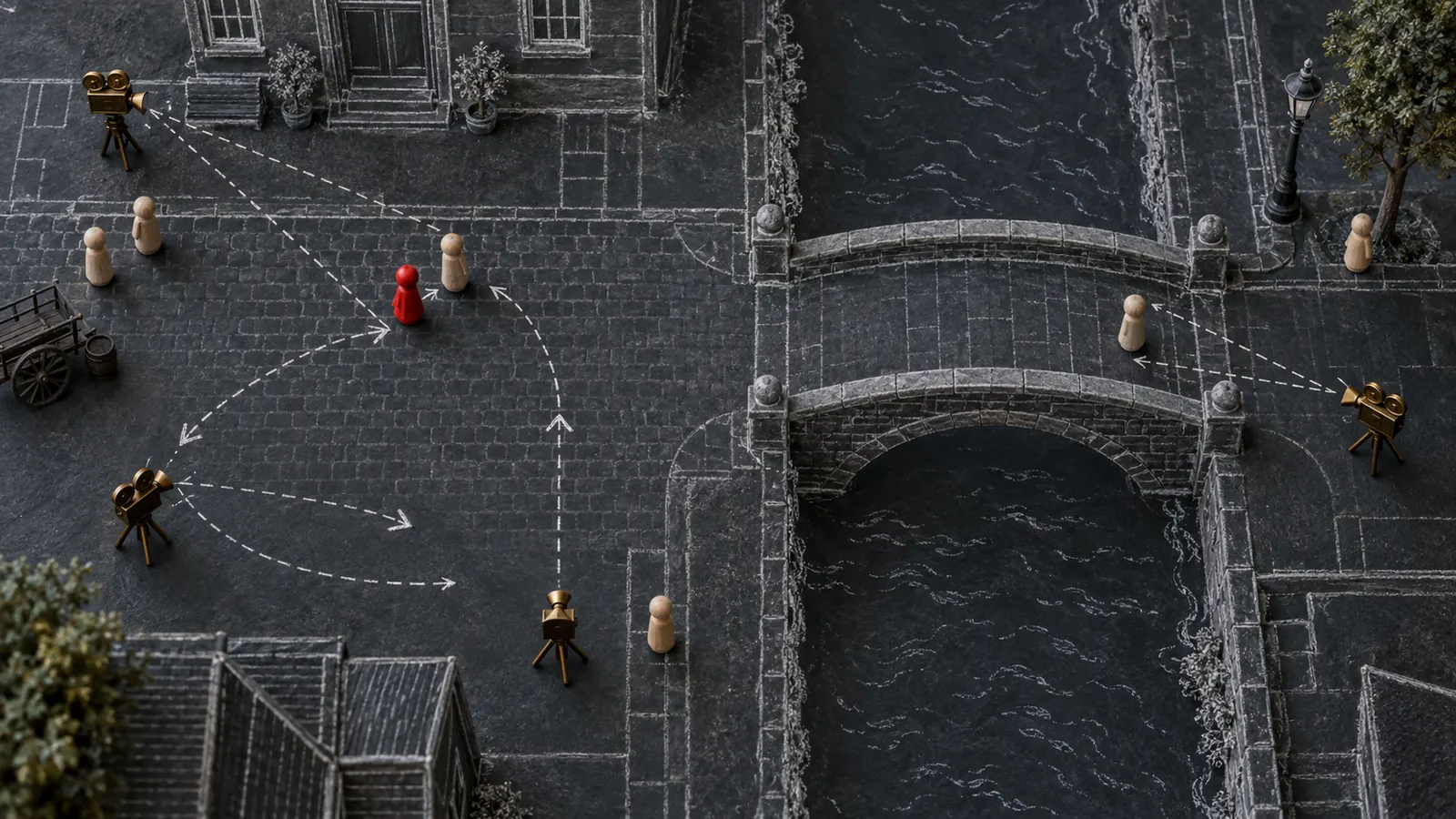
- Scene Map Editor: Block scenes from a top-down view by placing actors, props, and cameras, automatically feeding spatial positions into shot prompts.
- AI Scene Direction: Propose shot coverage, camera angles, and camera moves automatically from script text and direction dials.
- Clapperboard View: Display shot cards laid out like production slates for quick coverage reviews.
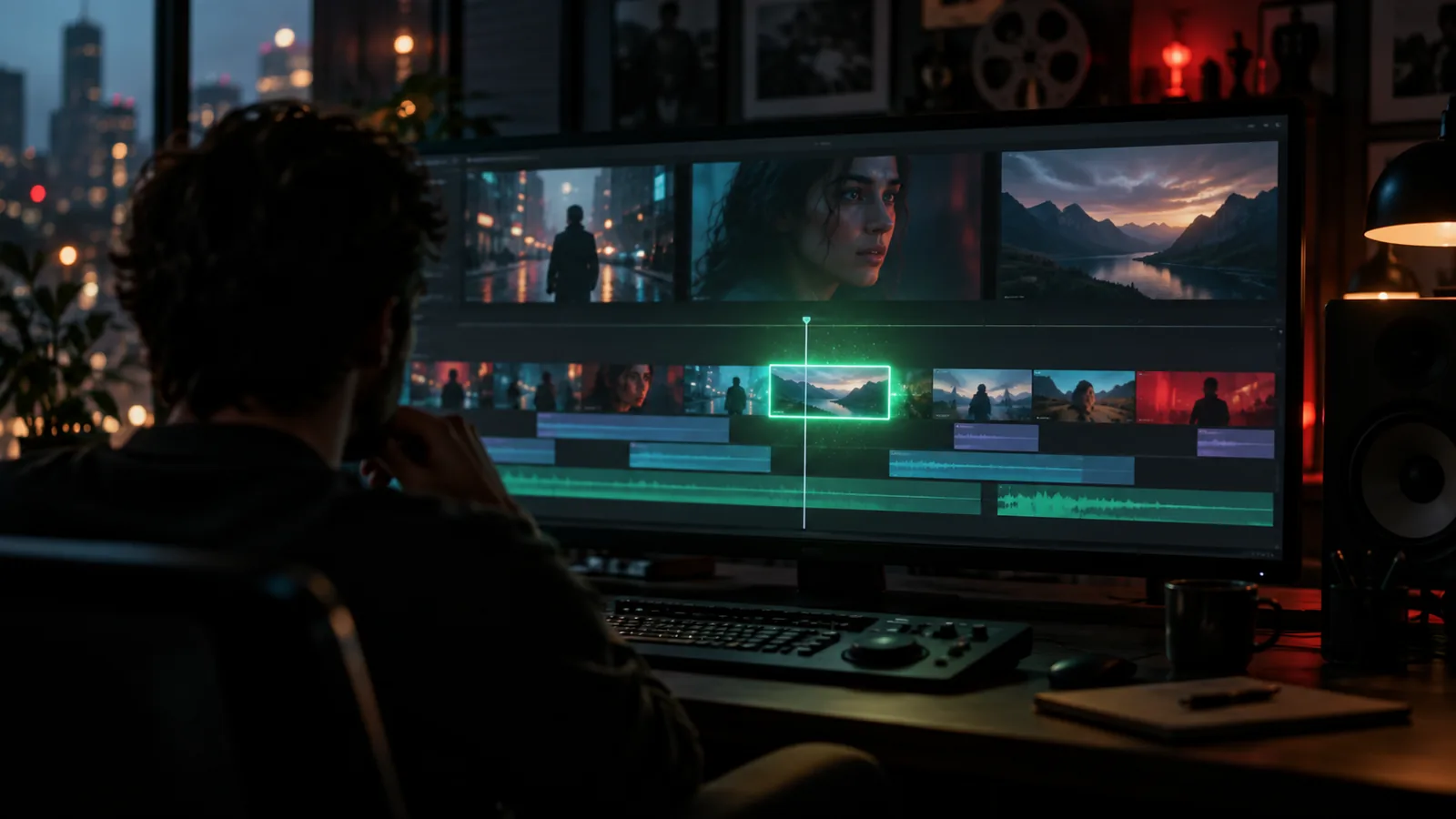
- Scene Timeline & Cut Versions: View the entire project on a unified scene timeline, maintain multiple cut versions, compare cuts, and set the active cut.
Asset, Character & Production Management
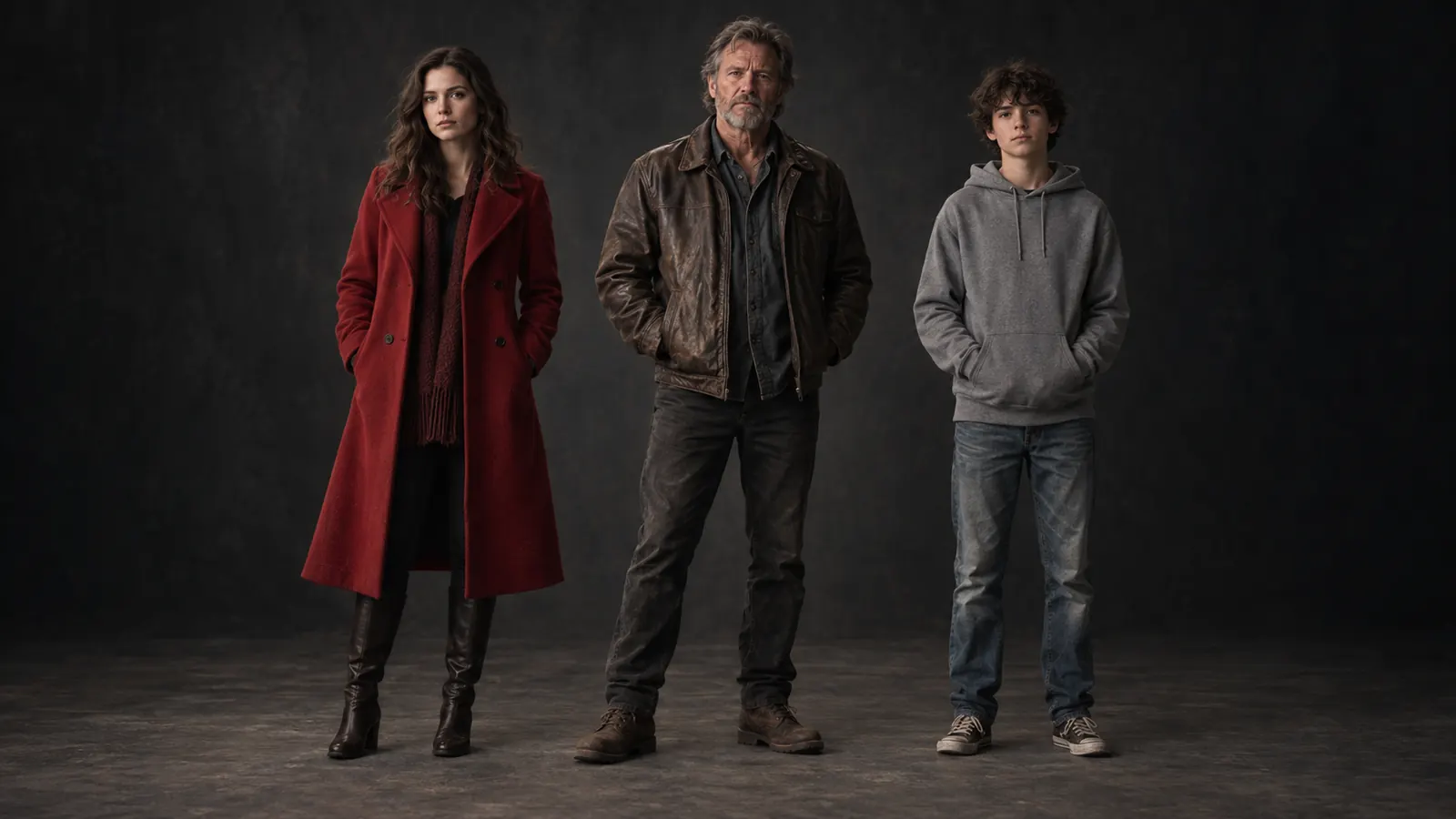
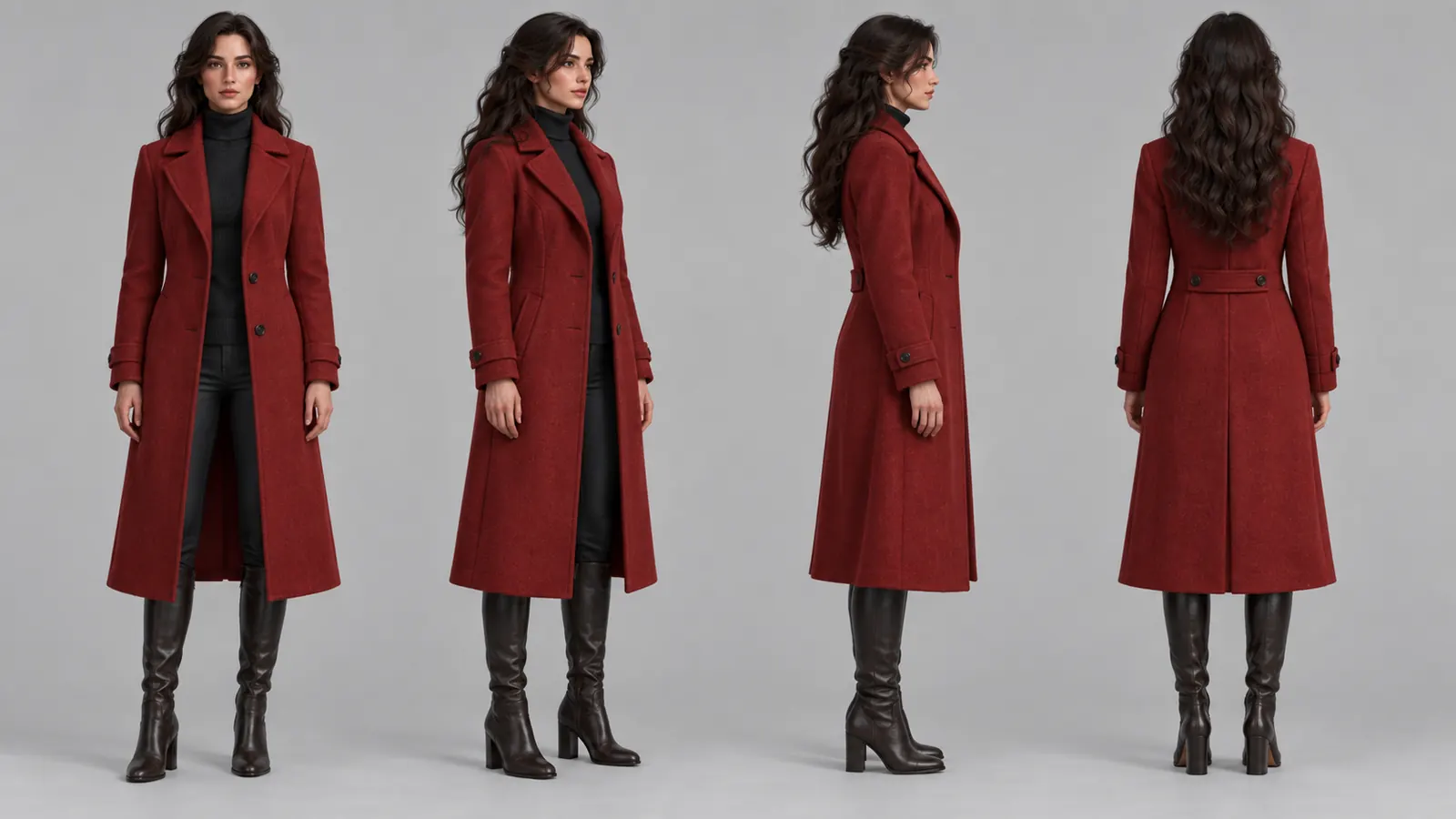
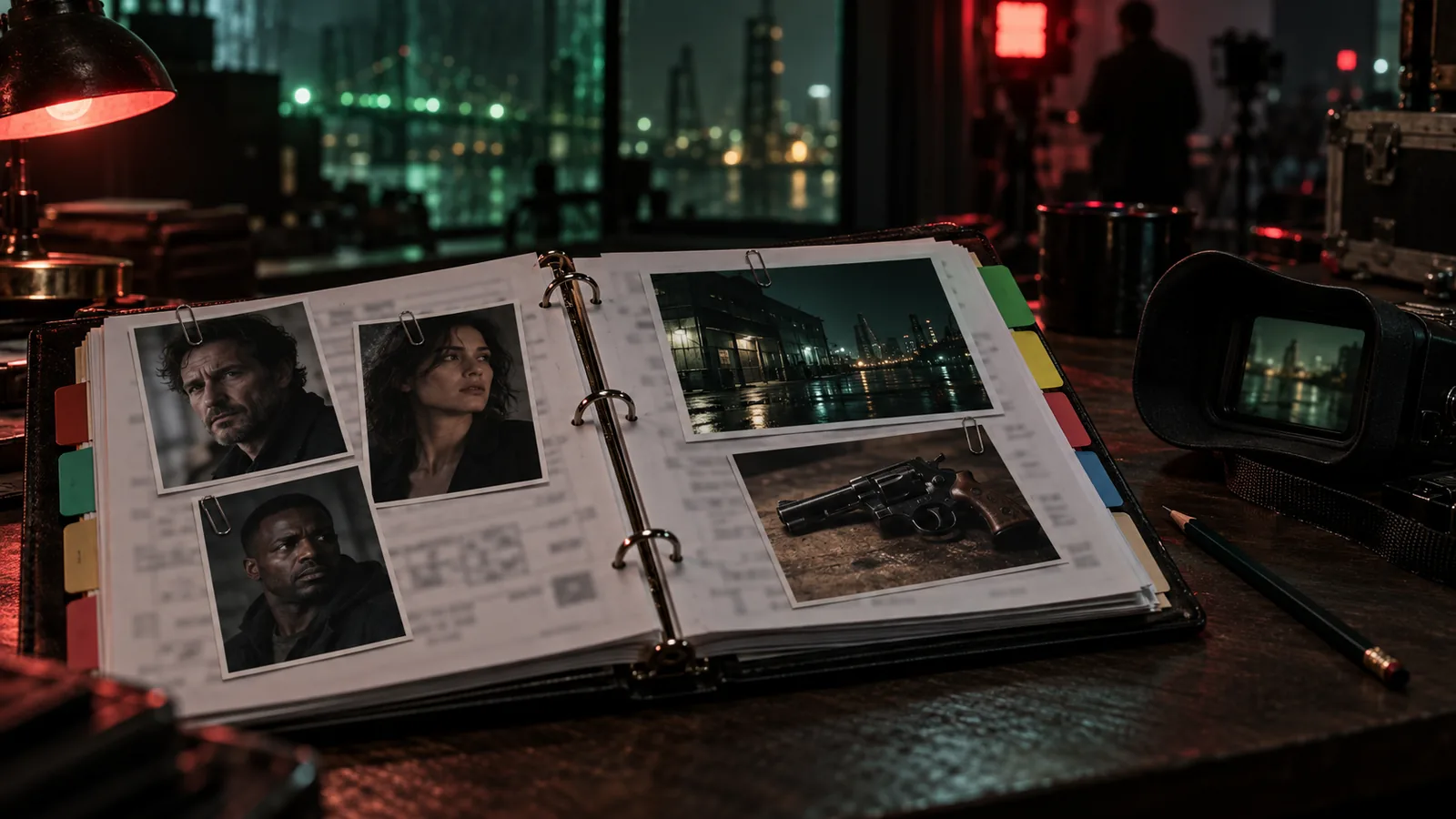
- Consistent Character Management: Build characters, locations, costumes, and props with reference sheets, turnarounds, and viewpoints so every generated frame and clip follows the same approved look.
- Real Actors & Verified Faces: Register real actors after obtaining consent (KYC verification) to create a verified face identity that video models keep consistent across shots.
- Makeup & Hair: Manage makeup and hairstyling requirements with visual references and scene assignments using a detailed tracking modal interface.
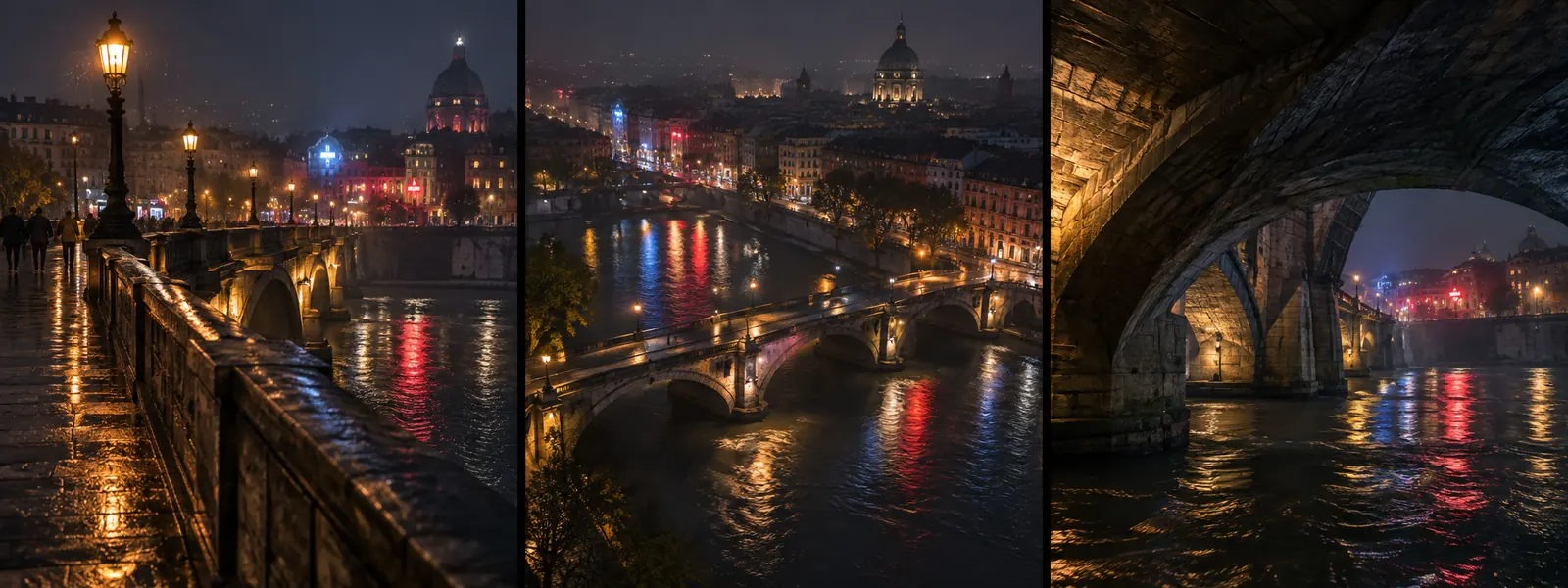
- Locations Scouting: Search locations with map search and save shooting viewpoints so every scene set there reuses the same place and angles.
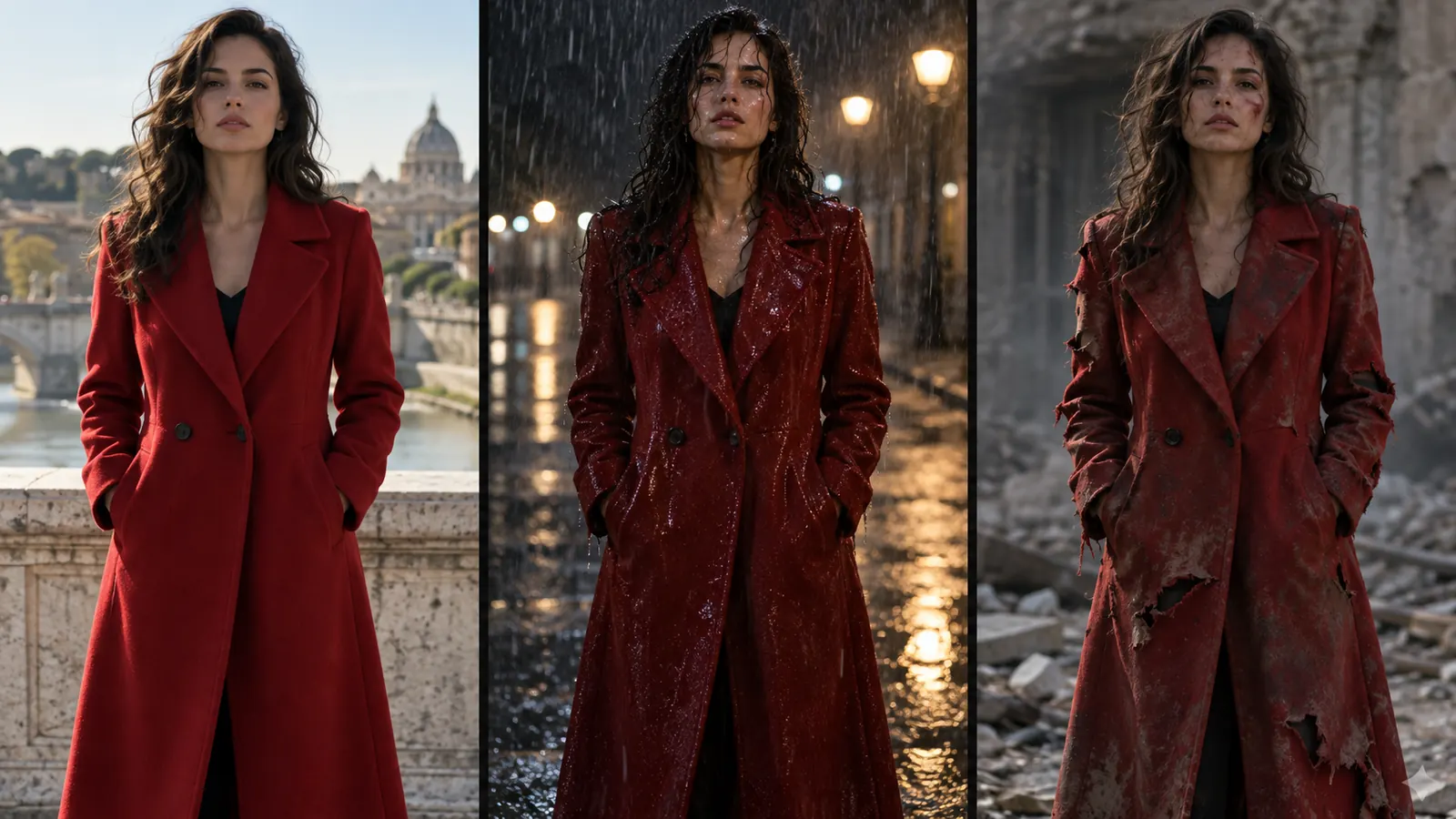
- Wardrobe: Dress characters scene by scene, including specific states like wet, torn, or evening wear, and source real items.
- Asset Concept Sheets: Compare several takes on a character, location, or prop side by side, refine specific areas with a mask brush, and approve one before it goes into shots.
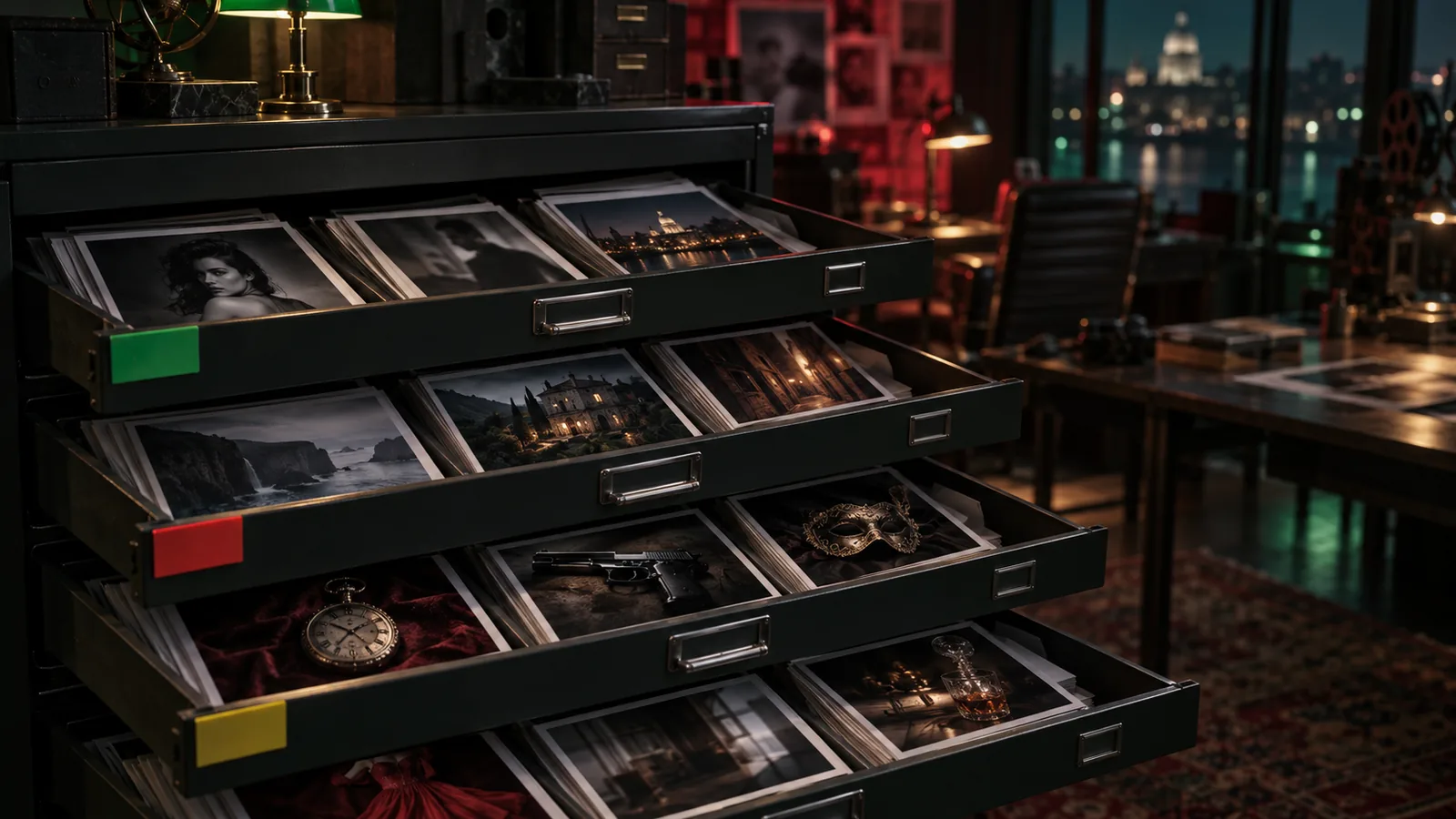
- Unified Asset Library & Collections: Store all generated and uploaded images, clips, and audio tracks in one library with draft/final status indicators. Group assets into collections, share them by link, or promote them to your organization library.
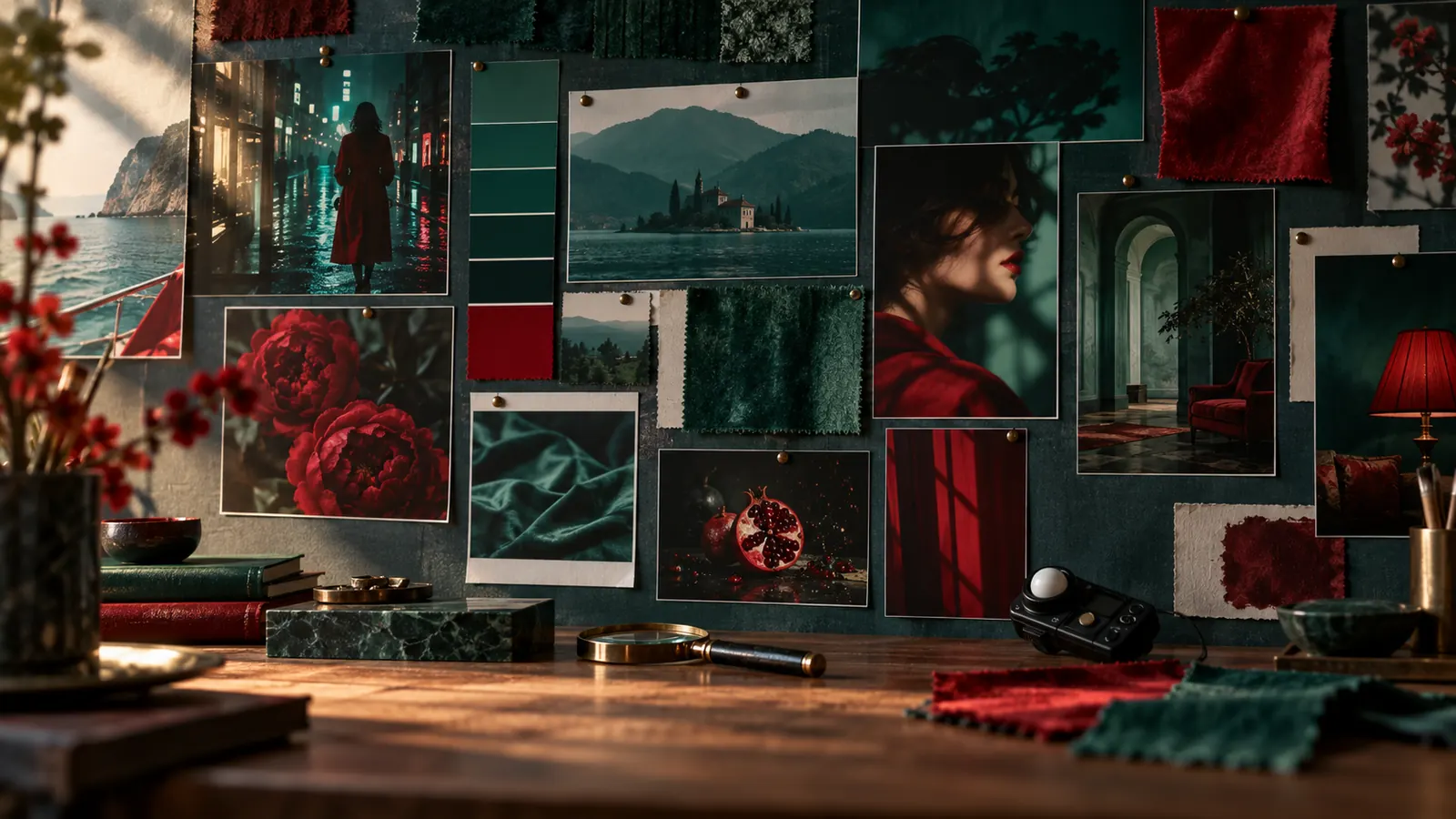
- Project Style References & LookBook: Define your project's overall look with reference images, a color palette, and a visual description. Curate reference collections in a LookBook and share them via public links.
- Props Management: Maintain prop references and generated variations ready to mention in shot prompts.
- Documentation Sheets: Generate clean reference sheets for props and sets with real-world dimensions to maintain accurate scale across shots.
- Local Folder Storage: Bind a folder on your computer to read project media directly, complete with indicators showing which files are cached on your device.
- Team Likes & Comments: Like asset takes, filter the media library by team member likes, and leave comments on assets.
- Batch Asset & Image Generation: Queue reference images for multiple characters, costumes, props, and locations in one pass, or batch-generate frames for an entire scene or script.
Audio, Sound & Voice Engineering
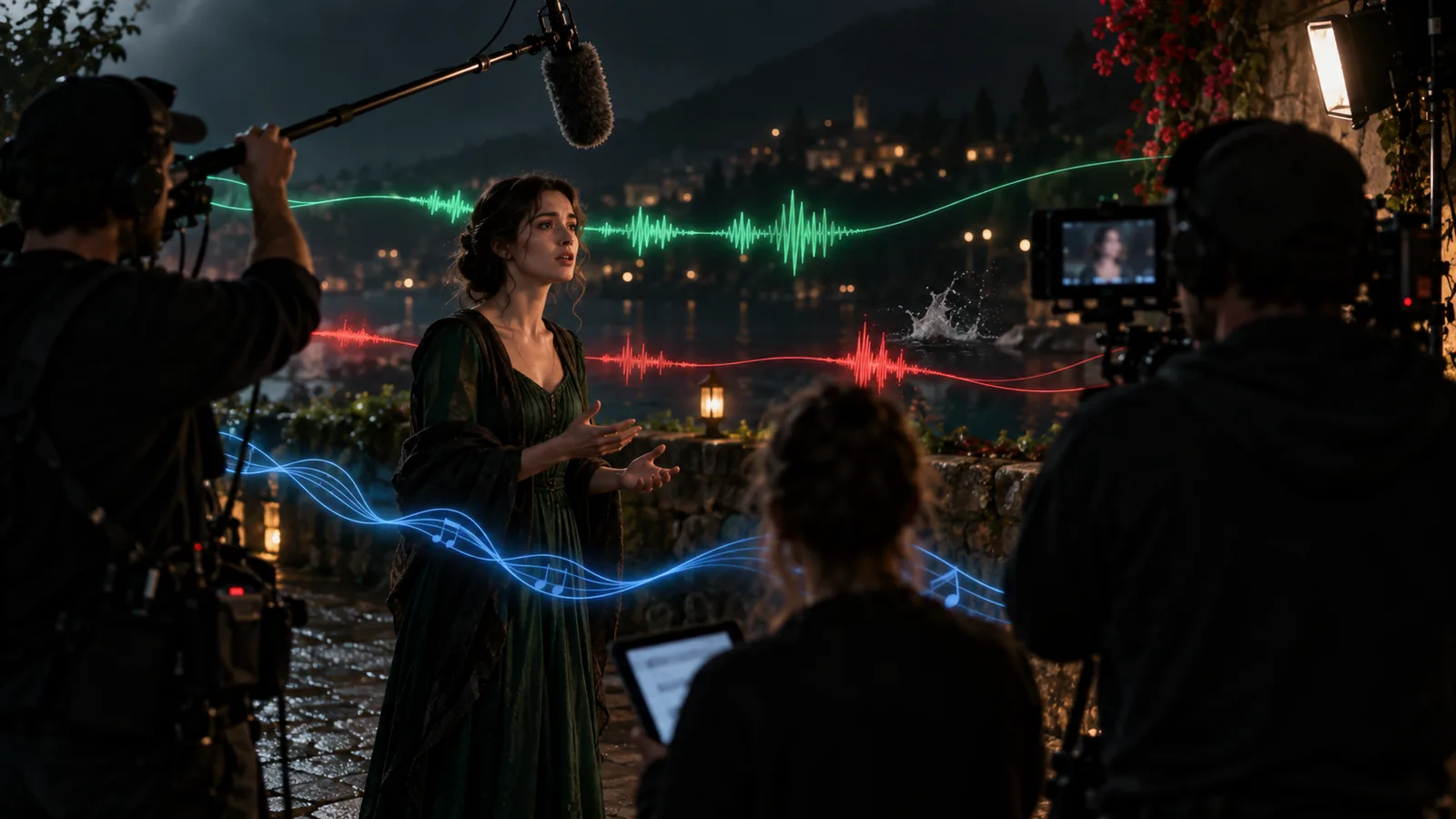
- Dialogue, Voices & Sound per Shot: Add dialogue, sound effects, and music rows to each shot, assign character voices, and lip-sync dialogue lines to video clips.
- Character Voices: Assign voices to characters, preview them, or clone custom voices.
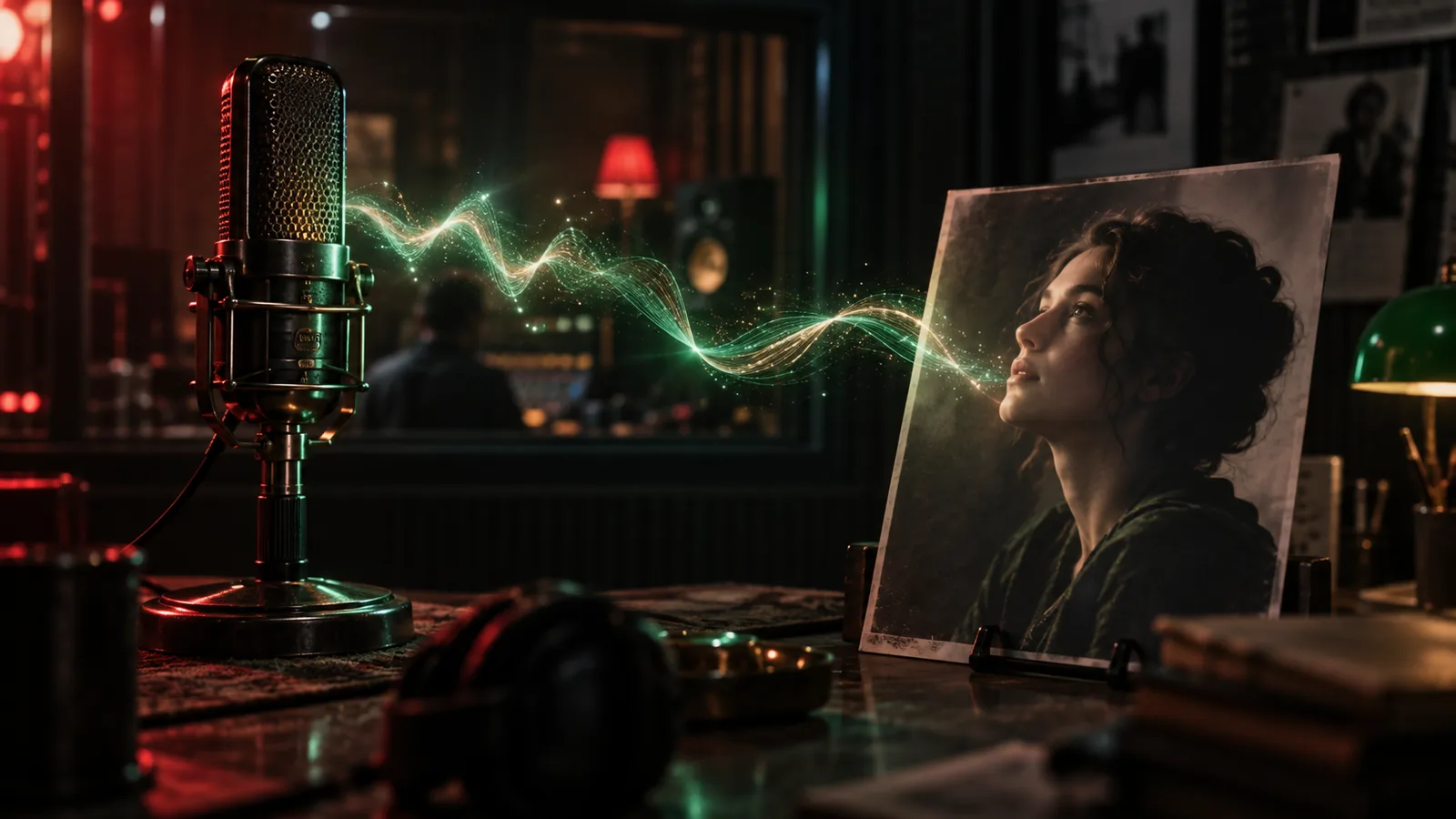
- Speech-to-Speech Voice Replacement: Replace spoken dialogue using speech-to-speech audio processing under Add audio > Voice > Replace.
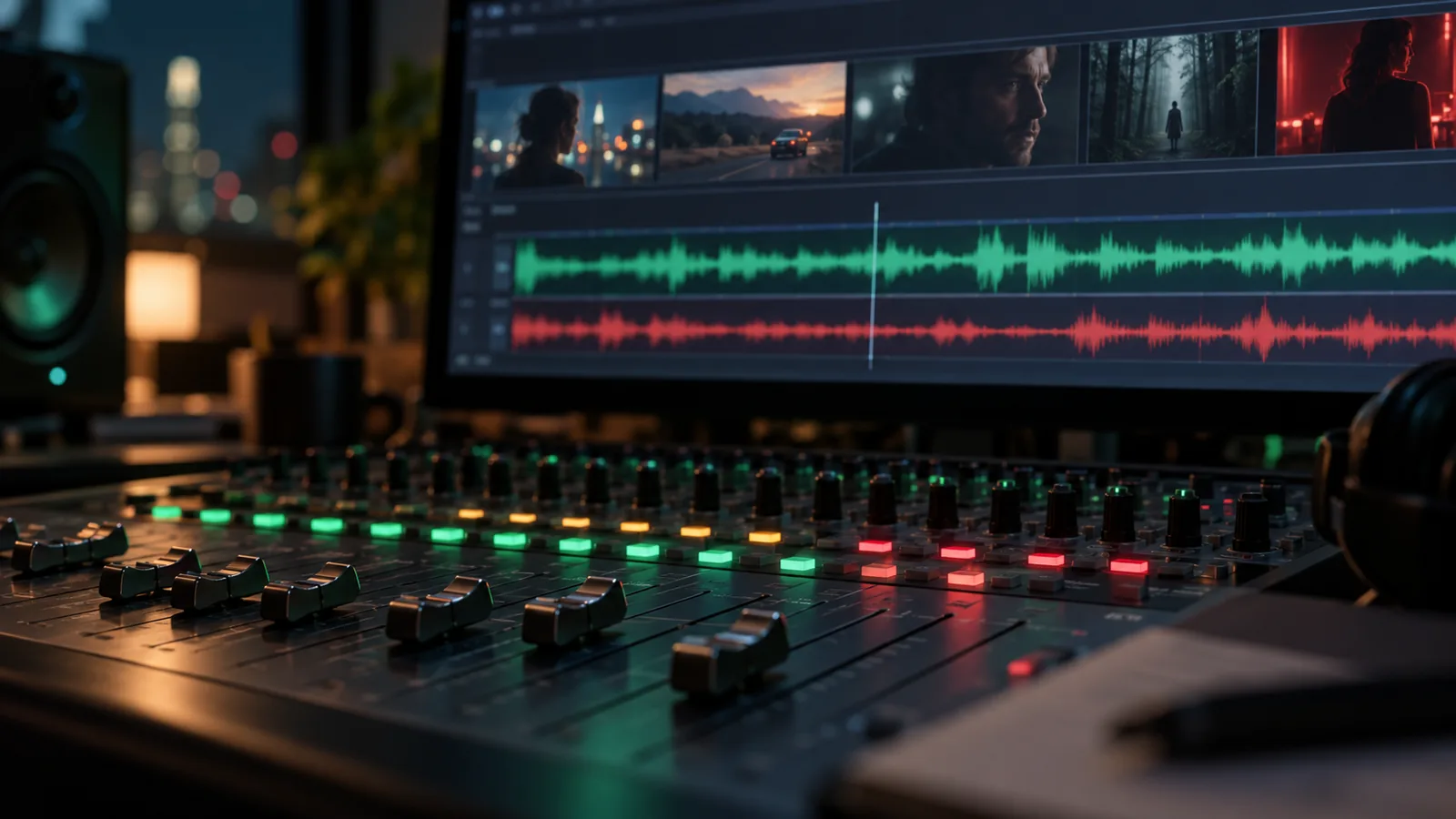
- Audio Library & Timeline Mixer: Store dialogue phrases, music tracks, and sound effects in a project audio shelf. Trim tracks, place them onto timeline audio tracks beneath the video, and balance levels using the audio mixer.
- Project Music Generation: Analyze reference music tracks and generate original scores or songs complete with lyrics for your project.
Production, Project Management & Collaboration
- Status & Lifecycle Tracking: Move projects through Development, Pre-production, Production, Post-production, and Completed stages.
- Production Hub, Media & Wiki: Link your project to its client, brand, production house, and city. Manage project covers across all aspect ratios, curate a backstage photo gallery, and maintain a project wiki with facts, press, and awards.
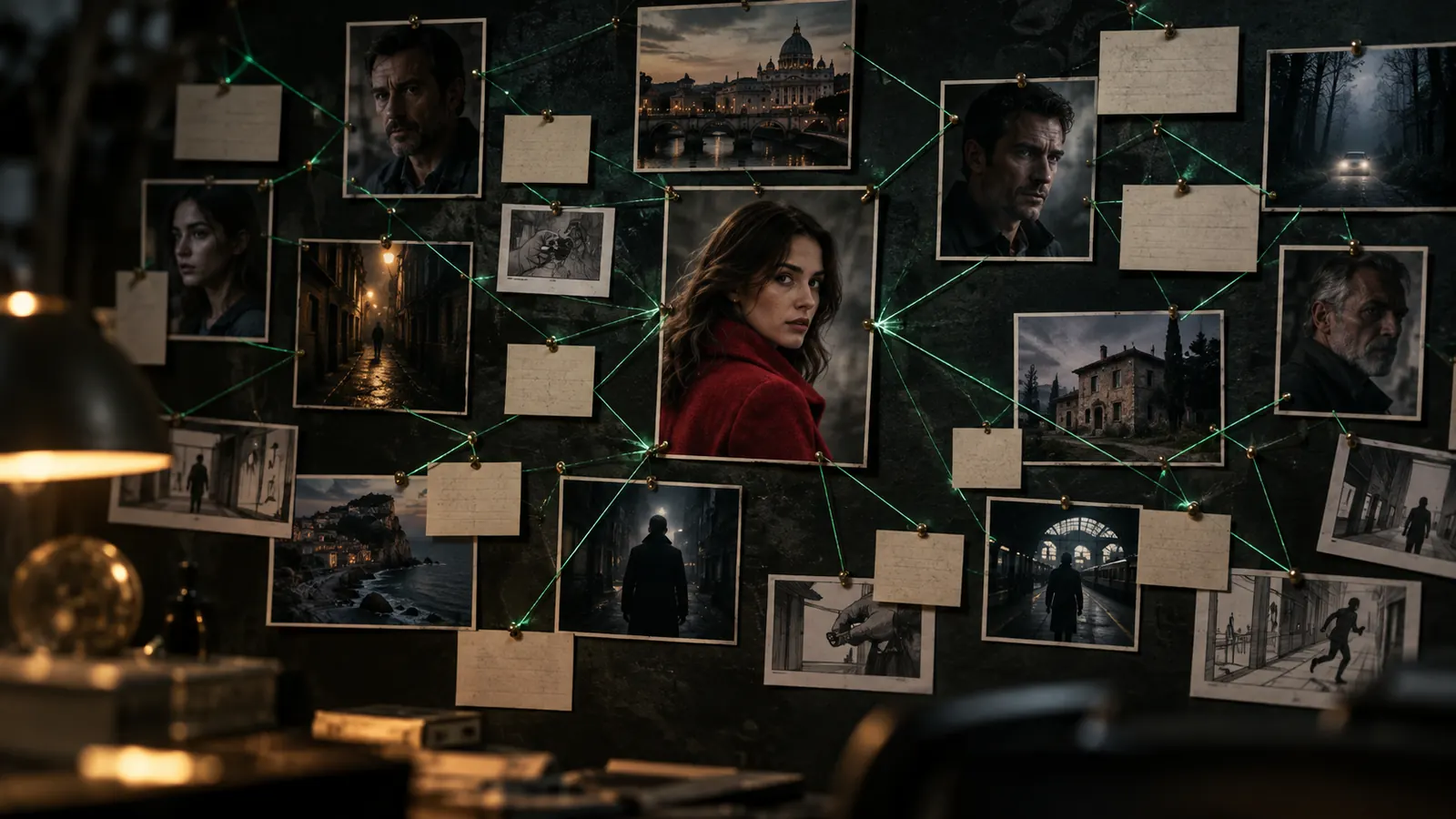
- Brain Graph Workspace & Project Memory: View your production as a connected map of characters, scenes, locations, documents, and budget. All project elements are indexed into project memory so AI tools act with full project context.
- Task Board & Equipment Lists: Track tasks using Kanban boards, calendars, or Gantt charts. Maintain lists of required production gear.
- Call Sheets: Convert shooting schedules into crew call sheets with locations and times, then print or save as PDF.
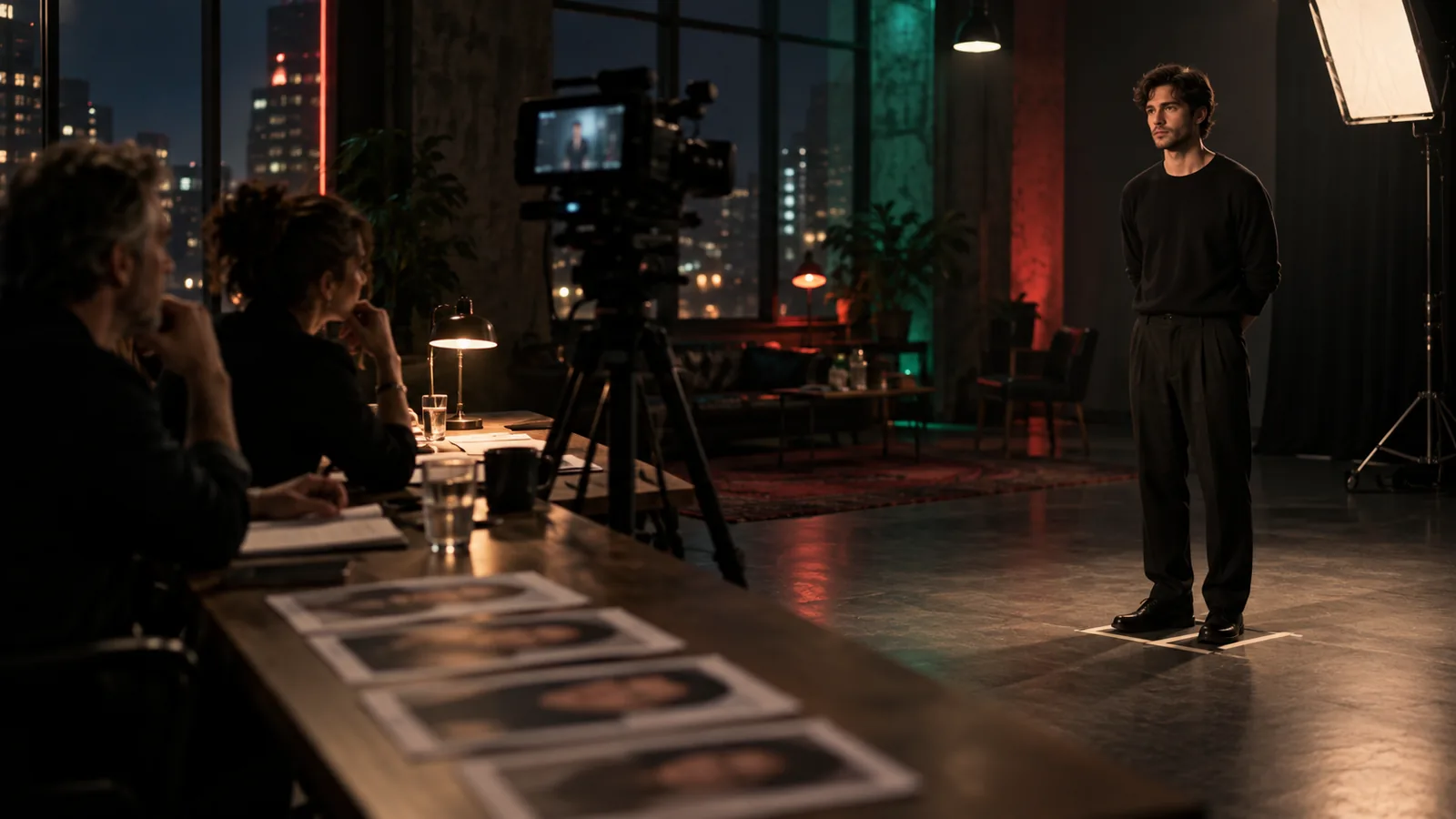
- Team Staffing & Casting Calls: Build cast and crew lists using role pickers, track candidates, publish casting calls, collect applications, and review applicants.
- Finance & Budgeting: Set category budgets and track expenses against them throughout production.
- Reference Boards & Related Works: Collect visual reference boards from URLs or magazines, analyze visual mood, and research comparable films, series, and commercials for pitches.
- AI Agents & Producer Notes: AI agents work alongside your team to update shots, queue renders, manage assets, and track tasks. Leave notes directly on shots or connect a Telegram chat to log revisions and direct AI agents.
- Live Client Page & Granular Sharing: Share a live, login-free project page featuring frames, clips, music, and treatments for client reviews. Signed-in visitors can comment and like assets, and you can revoke access links at any time. Invite team members with custom viewer or editor permissions.
- Editing Handoff & Version Snapshots: Export cuts as FCPXML files for Final Cut Pro, or render directly to structured video files. Save project-wide milestone snapshots for version control.
- API & Integration Access: Create API keys or configure OAuth integrations for external platform connections.
How to use it
Writing and Breaking Down a Script
- Open the Screenplay Editor or launch the AI Script Generator to write your screenplay or generate single scenes.
- Review AI structural critiques and pacing notes before saving script drafts. Take script snapshots to preserve earlier versions.
- Creator Studio automatically performs a script breakdown, extracting scenes, shots, cast members, locations, and required props.
- Open the Scene Editor or Scenes View to configure scene details, adjust text, or move scenes between episodes.
Setting Up Character and Location Assets
- Open the asset management area to build characters, locations, costumes, and props.
- Upload reference sheets, turnaround angles, and shooting viewpoints. For real actors, complete KYC verification to assign a verified face identity.
- Configure wardrobe variations (such as wet, torn, or evening wear) and assign makeup and hair styling notes via the styling modal.
- Open Asset Concept Sheets to compare visual variations side by side. Use the mask brush to refine specific regions before approving assets for production.
Directing and Rendering Shots
- Open a scene inside the Shot Editor.
- Select your virtual camera setup (choose from 80 camera bodies, 74 lenses, film stock settings, and 49 preset camera moves).
- Type
@ followed by a character's name to tag approved cast reference images directly into the prompt.
- Use AI Fill to automatically populate prompts and scene context from your script.
- Review the upfront credit cost displayed in the Shot Editor.
- Click Generate to render a 480p Seedance 2.5 draft clip.
- Once you approve a take, click to convert it into a 1080p or 4K final render without re-prompting.
- Compare generated takes on the shot version timeline and restore any earlier take with a single click.
Performing Frame Edits and Post-Processing
- Masked Edits: In the Shot Editor, select the mask tool, brush over the area of the frame you wish to alter, type your revision prompt, and apply the edit with GPT Image 2.5.
- Clip Extensions & Upscaling: Select an existing clip to extend its duration with seamless extra seconds, or upscale resolution directly.
- Relighting & Re-Angling: Select a finished frame to adjust lighting, shift camera angles, or split the image into foreground and background layers.
- Pinning Compositions: Click REF SHOT to lock a storyboard frame as a layout template for video generation, or apply +STORYBOARD across an entire sheet.
Assembling Audio and Exporting Storyboards
- Assign voices to characters in the Audio Library. Add dialogue lines, sound effects, and music rows to individual shots.
- Lip-sync dialogue lines to rendered video clips, or use Add audio > Voice > Replace for speech-to-speech voice replacement.
- Arrange audio tracks under your video sequence on the Scene Timeline and balance audio levels in the mixer.
- Navigate to the Scene Board tab to generate structured Scene Board, Episode Board, or Editorial layout storyboards. Export them to PDF/PNG, or click Open in Design to open the layout in the Design editor.
- Export your finished video cut directly as a video file or export an FCPXML file for Final Cut Pro.
Tips & notes
- Credit Usage & Quoting: Generating AI images and videos consumes project credits. The Shot Editor displays the exact credit cost before rendering, and the Dry-Run Preview tool lets you calculate total credit usage across multi-shot sequences before executing renders.
- Draft Validity & High Renders: Fast 480p draft renders allow rapid iteration on camera movement and timing. Approved 480p takes can be upgraded directly into 1080p and 4K final renders without rolling a new take.
- Real Actor Consent: To use verified actor faces in video generations, complete the KYC verification process to establish a verified face identity.
- 3D World Generation Key: Generating explorable 3D environments from a single frame image requires a valid 3D world key.
- Local Media Cache: Binding a local disk folder caches project media locally; status indicators show which files are stored on your device.
- Live Multi-User Collaboration: Teammates and AI agents work in real time within the project workspace. Renders, shot updates, and asset changes appear on your timeline and open screens live without requiring a page reload.

 CoreFreev1.163